

Community creates well-being for young employees
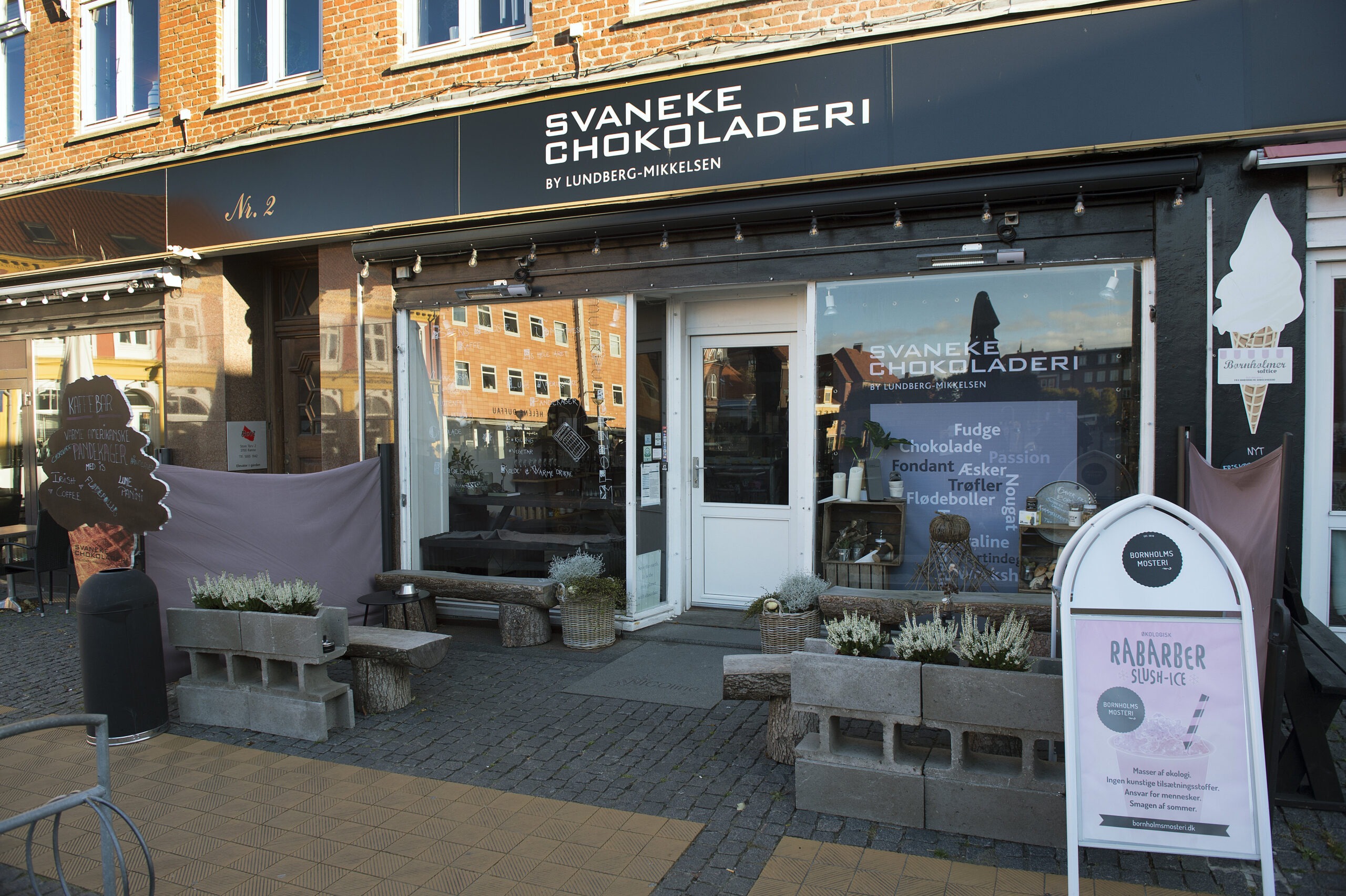
Svaneke Chokoladeri has created a work culture where young employees return season after season, and this is not only due to the delicious chocolates, but also co-owner Janne Lundberg's dynamic and relational management style.
Svaneke Chokoladeri has employed young staff since 2014, and today employees under 18 and 19 years old make up a significant part of the team – both in production and the shops. Co-owner Janne Lundberg views them as a great asset because they contribute to the culture and the business, and she is also proud that many return every season.
– Generally, I find that the more responsibility they get as time goes on, the more they demand. A few don't thrive with it and become downright terrified, but it really is a minority. In those cases, it is always my job as a leader to be extremely attentive to what personality I am facing and where their comfort level lies. If that doesn't succeed, the person quickly resigns, but fortunately I've only experienced that twice.
What else could be a challenge?
– Not all new employees are equally good at assessing consequences. If the receipt roll at the till is running out, it can easily happen that they just let it run out because they expect someone to come and replace it for them. If you're invited to a party but can't quite get your shifts swapped, then there's a lesson in having to work it anyway. There, it's important that they realise that is the collegiate thing to do. And on a higher level, we ideally want to get people out into the labour market who can handle reasonable demands.
A coaching role
According to Janne Lundberg, it takes time and patience to guide them to become more confident and independent – without them feeling criticised. In connection with a mentoring scheme through Business Center Bornholm, she has focused on coaching, which has helped her develop her own leadership skills and gain a strong insight into the benefits of a dynamic and relational management style.
– All my employees are fantastic, but there was a period before the continuing education where I felt desperate and upset about the way the newly hired young people sometimes reacted. Small things turned into conflicts, and parents interfered – from my point of view, it was all a bit too overprotective. It's not my intention to parent their children, but there are situations where they need a fair bit of guidance, because how else are they supposed to learn anything new? Ninety-nine per cent have never tried wringing out a floor cloth before they come here, and for some, it can at first be almost impossible to remember to lock the door when closing the shop.
Luckily, Janne now has plenty of knowledge about how to bridge the generational divide. For example, she uses the social media platform Snapchat to communicate with the young employees, as phone calls are often ineffective. She explains: – Calling or answering the phone is not something they do very often, but they send Snaps. However, you can influence them a little, and we have gradually reached the point where there is an understanding that you actually call if you are calling in sick.
At the same time, Janne always makes sure to ally herself with a young middle manager, as she finds that it is only employees around 30, 40 or 50 who understand how to react to authorities. The young ones are more challenged.
– I've become totally dependent on having a right-hand person – someone on a gap year who knows our workflows and values and can say to a young person, ”it needs to be done like this”, ”just remember to...” and so on. If I try as a manager, it can easily be perceived as a scolding. That way, the middle manager ensures the positive atmosphere remains intact, and in return she gets unlimited coaching from me to develop and strengthen her own leadership skills.
Community motivates
Janne Lundberg also emphasises the importance of creating a culture where employees feel involved and valued. Svaneke Chokoladeri has therefore implemented a tradition of meeting once or perhaps several times a month outside the workplace.
– Even if it is just a relaxed moment in the sunshine on the terrace with cake or pizza, I have noticed that it strengthens the sense of togetherness. There has also been a wish for us to do yoga together, so we need to figure that out too. I have members of staff who have been with me since they were 14, and they come back every summer. They know they can earn more in Copenhagen, but they value the community and see us as a family. That tells me that something is working.
Janne explains that she always emphasises that their free time together is voluntary socialising. Even so, she finds that the young employees occasionally take the initiative to talk about work when they see each other outside of working hours.
– They want to talk about processes and how we handle different things, which is fantastic. At the same time, it's also an opportunity for everyone to feel heard and valued down to the small details that there isn't always room for during a busy working day. But I've decided that if we end up talking about work, notes will be taken, and then we'll share it in a group so that everyone is updated on what is being discussed, even if they haven't been present.
If you have to summarise, what is your best tip regarding the management of young employees?
When it comes to managing young employees, I would definitely say that it requires time and patience. You really have to want to invest in them to get the best out of their potential. My best advice is to create an inclusive culture where all employees feel valued and can contribute to the company's development.
BY TINA TOFT MØLLER
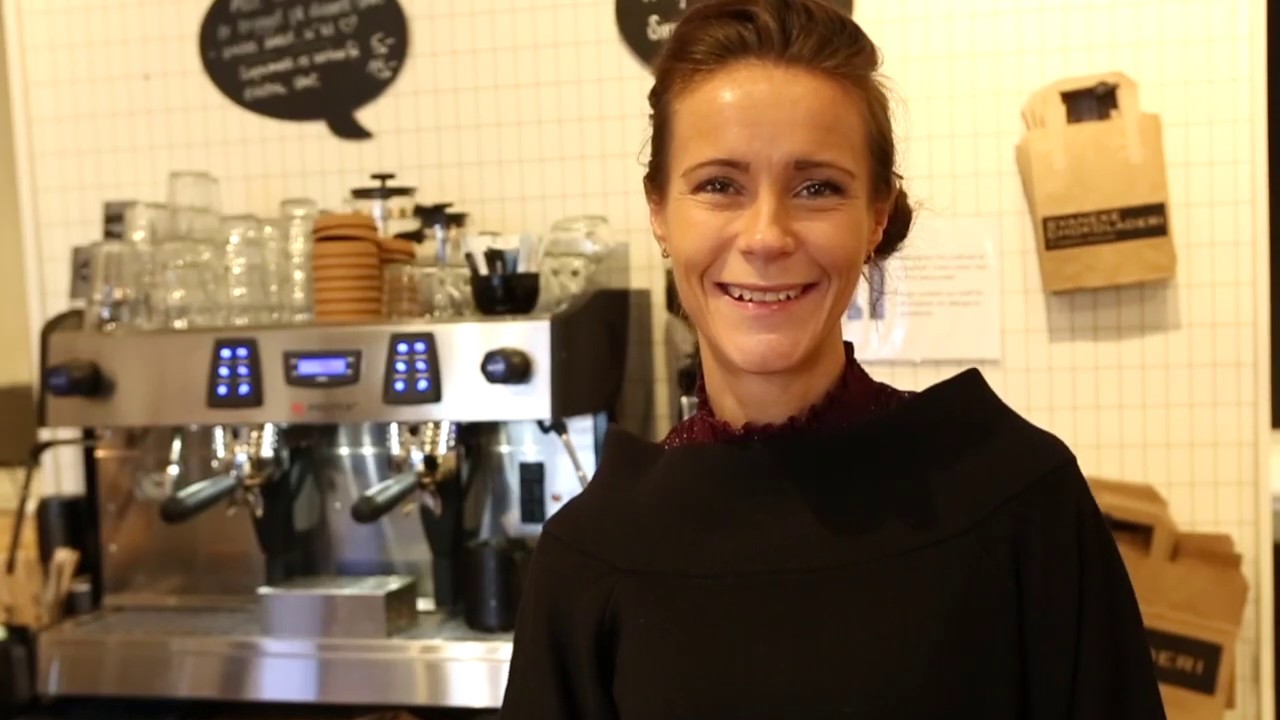
Janne Lundberg
Manager, Svaneke Chokoladeri.
We put effort into creating a workplace where young people like to be.
About Svaneke Chokoladeri
Svaneke Chokoladeri focuses on the craft of chocolate-making without artificial additives, with an emphasis on organic ingredients from Bornholm. The range also includes lactose-free, gluten-free and vegan products.
Read more: svanekechokoladeri.dk