

Green principles
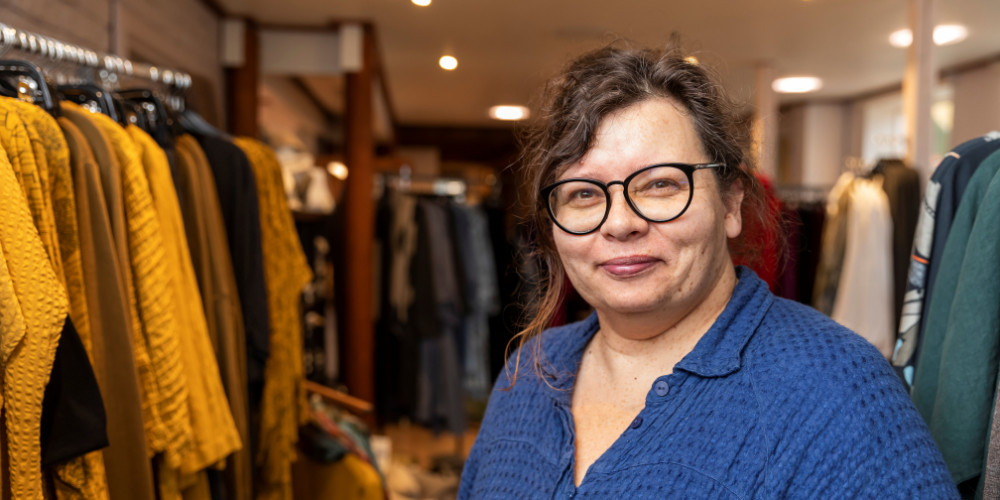
Textillita in Rønne produces and retails slow fashion with consideration for the environment and the body, which has attracted a loyal following of customers – both locals and tourists. Here, owner Jurate Holm talks about the company's environmental policy, which also includes circular initiatives.
There is so much that is not like in the good old days, and that also applies to clothes. Today it is the norm to sell fast fashion; trend-based and mass-produced items that do not last long in the fashion scene and are of perishable quality. In other words, things move fast in large parts of the fashion industry, which is one of the most resource-intensive and polluting industries in the world. In 2020, the Danish Consumer Council Tænk turned a critical eye towards the clothing industry when it focused on how Danish clothing manufacturers annually destroy no less than 677 tonnes of new and unsold clothes. A grim statistic, especially when considering that the number of clothing collections has exploded to up to 24 a year, whereas previously it used to be up to four.
For Jurate Holm, owner of Textillita, which produces and sells slow fashion clothing, the dominant clothing culture has got out of hand. – You have to be an extremely wealthy giant to be able to operate in that way... We simply cannot keep up with the many trends, and nor do we want to, she emphasises, explaining that Textillita's core business is based on the sale of timeless wardrobe staples in classic cuts that will last today, tomorrow and next year.
– With us, the material is also a major focus; there is no nylon or polyester here, but quality and natural materials, free from harmful chemicals and made in the EU – everything is certified ’Masters of Linen’ or ’OEKO-TEX’, which also ensures that it is grown and processed under strict rules to protect the environment.
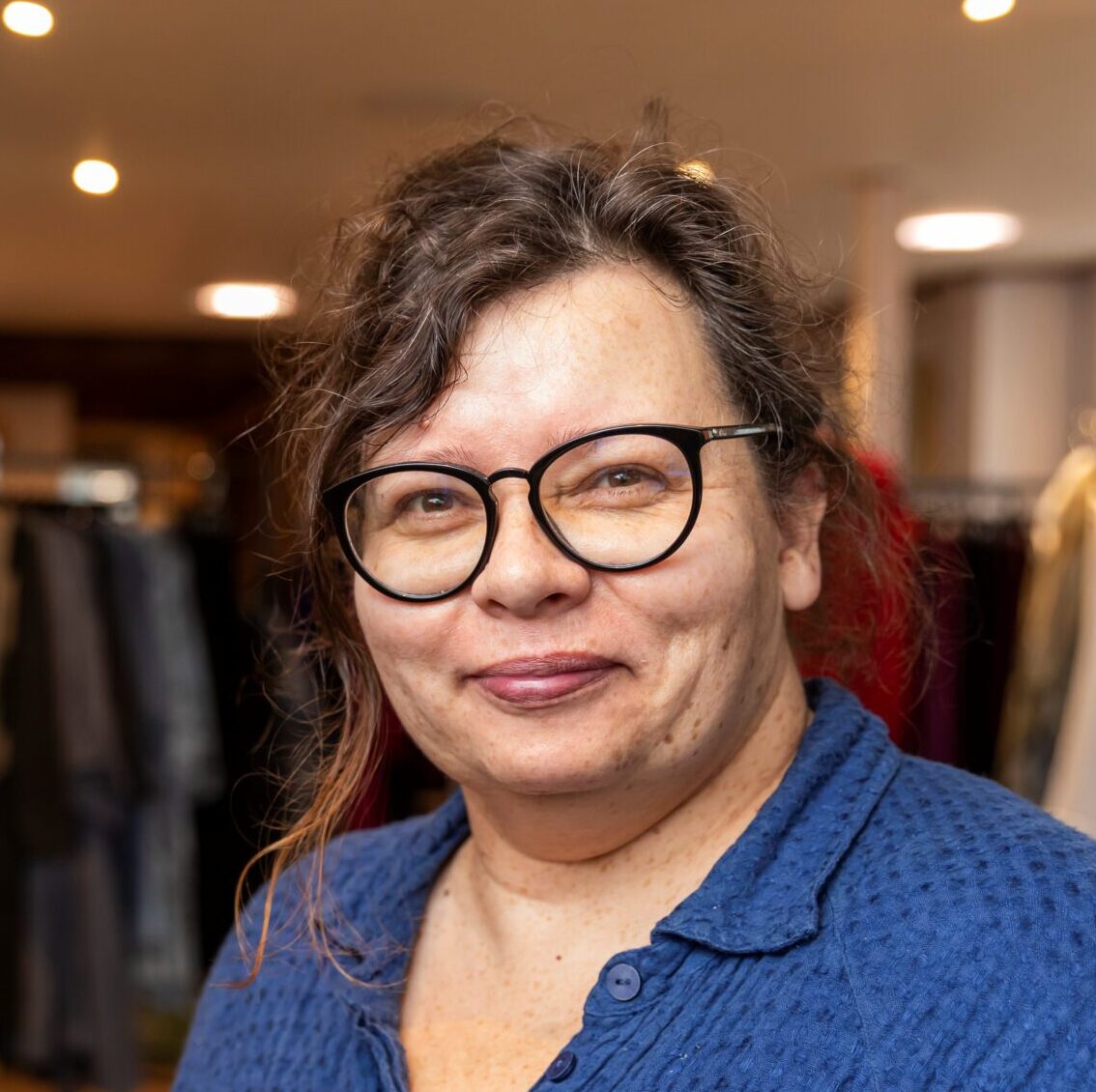
You can't run a business on emotions; there has to be a correlation between quality and price.
Circular economy
But is there a business in it, you might be thinking? Textillita's prices are typically higher than, for example, fast fashion, but as Jurate says: – You cannot run a business on emotions; there has to be a connection between quality and price. Therefore, it is also rare for us to have sales, and certainly not on all items. Furthermore, we have clothes and accessories for both summer and winter in the shop. This means that we do not constantly have to clear the shelves to make room for the latest arrivals; we actually have a chance to sell most things over the course of a year – it is also very convenient for people to be able to buy what they want, when they want.
With an environmentally conscious purchasing policy, Jurate also doesn't have to spend time and energy shopping all the time. As she explains: ’We are independent of trends, but we love good style. That's why our website is called ’People-fashion.dk', because it's the people themselves, not the fashion industry, who should decide what you want to wear. We always have six colour options which appeal to different types, and which can be mixed and matched. But if you come in here and have a very specific request – for example yellow leggings with white stripes, we can easily order a pair in for you from good suppliers in Europe; you just have to wait a few days for them," she says. "It's about giving the customer choices without the risk of being left with unsold items.".
Another key principle in the shop is that unsold items never end up as waste. They are collected and re-enter the cycle by being re-dyed. – Sometimes there are a few surplus styles that can’t be sold. We store these and re-dye them with new natural dyes the following year – if we’re missing a few sizes, we sew them, and eventually we can present a complete collection.’ She adds: ‘The clothes are, of course, washed several times after re-dyeing. All our materials are responsibly produced in Europe at factories in countries including Denmark, Germany, Poland and Lithuania, which I can visit and oversee myself – this gives us extra assurance, so we can stand 100 % behind the products we sell.
Clear environmental policy
Textillita is known as a ’Green shop’, which means that its operations and products are designed to be as environmentally and body-friendly as possible. Jurate explains: – For example, we place emphasis on our customers maintaining their clothes so that they can last as long as possible. Therefore, we sell a special care product that is unscented and easily biodegradable, in one-litre deposit bottles made of recycled material.
The circular concept helps to ensure that customers regularly return to the shop, and it has even attracted tourists who come back, year after year, with their own deposit bottles.
– In total, we have just under 900 reusable bottles in circulation, and some of our customers have been doing this for nearly seven years, so we think it's a great success. That way we all help to minimise the amount of waste, says Jurate Holm. She adds thoughtfully: – I think it's a lifestyle for our customers; this is something they do with pleasure because they are very environmentally conscious.
As a ’Green shop’, Textilita enthusiastically reuses packaging, both when the shop receives goods itself and when other businesses in the local area have surplus packaging.
Jurate elaborates: – We support a stop-plastics policy, but at the same time we reuse all the plastic we might receive from outside sources – for example, from suppliers. We also encourage our customers to reuse the plastic bag or cellophane bag that we use when sending items to them via our webshop at least 2-3 more times before throwing it away.
That also means the shop buys almost no packaging. – Then we don't have so much waste to dispose of either. We really try to recycle as much as ever possible, she concludes.
BY TINA TOFT MØLLER
Did you know that...
... over half of all fast fashion goes to the incinerator or landfill within a year of being manufactured?
Source: Danish Society for Nature Conservation
About Textillita
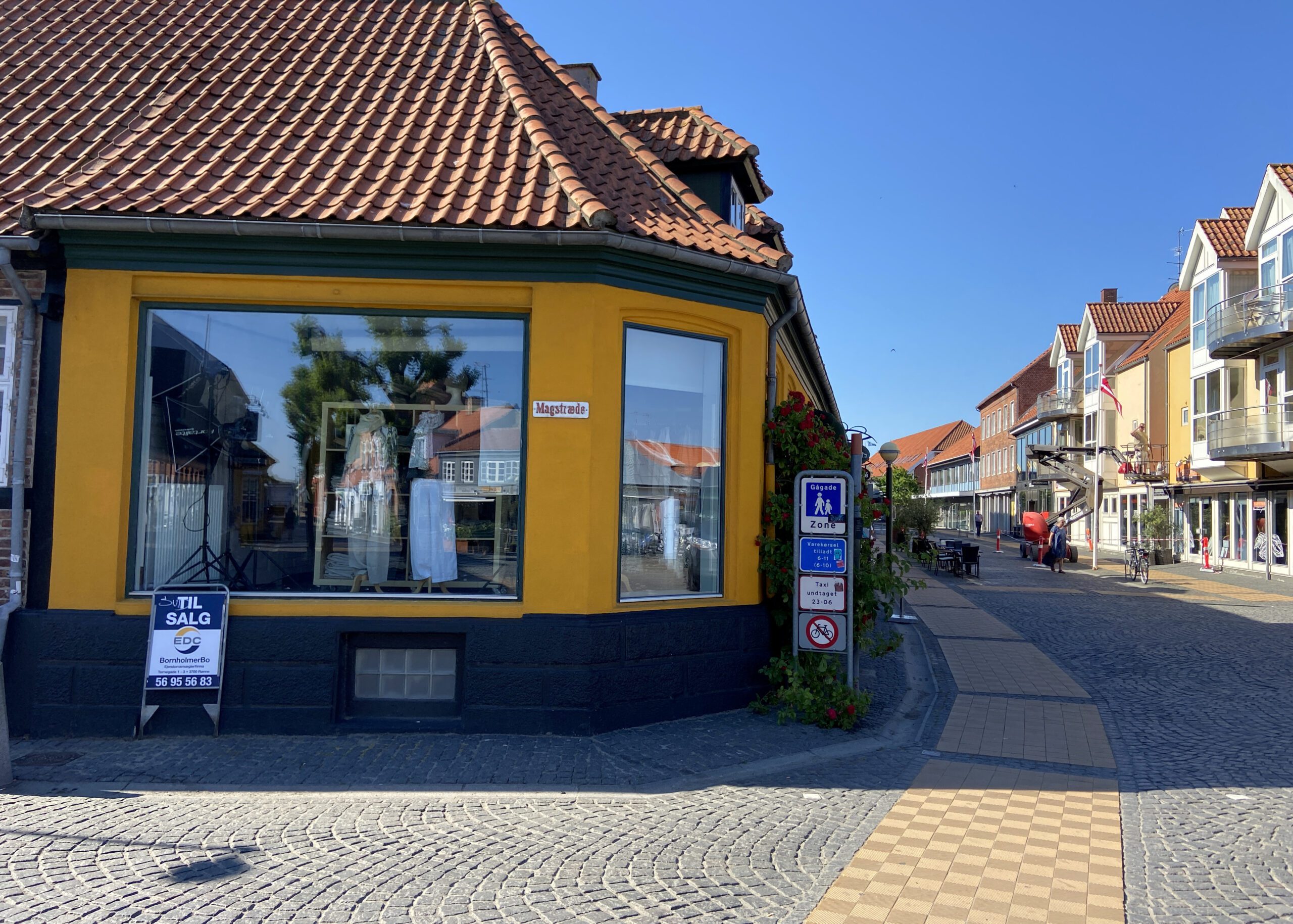
Textillita is a textile shop and clothing manufacturer located in Rønne. The owner, Jurate Holm, and the business have a clear environmental policy and are recognised as a ’Green shop’. Its products are made from natural materials such as wool, silk, linen and bamboo, and they choose shoes, belts and bags that are vegetable-tanned without the use of chromium. Textillita diligently recycles packaging and also offers textile care products in deposit bottles. Their customer base is primarily environmentally conscious consumers, and the business practises a slow fashion approach with a focus on quality and durability.
See more at people-fashion.dk