

Green dreams
Borntek Industri A/S has taken responsible steps towards the green transition and comprehensive ESG reporting. Here, the company shares insights and experiences on embracing a more sustainable future.
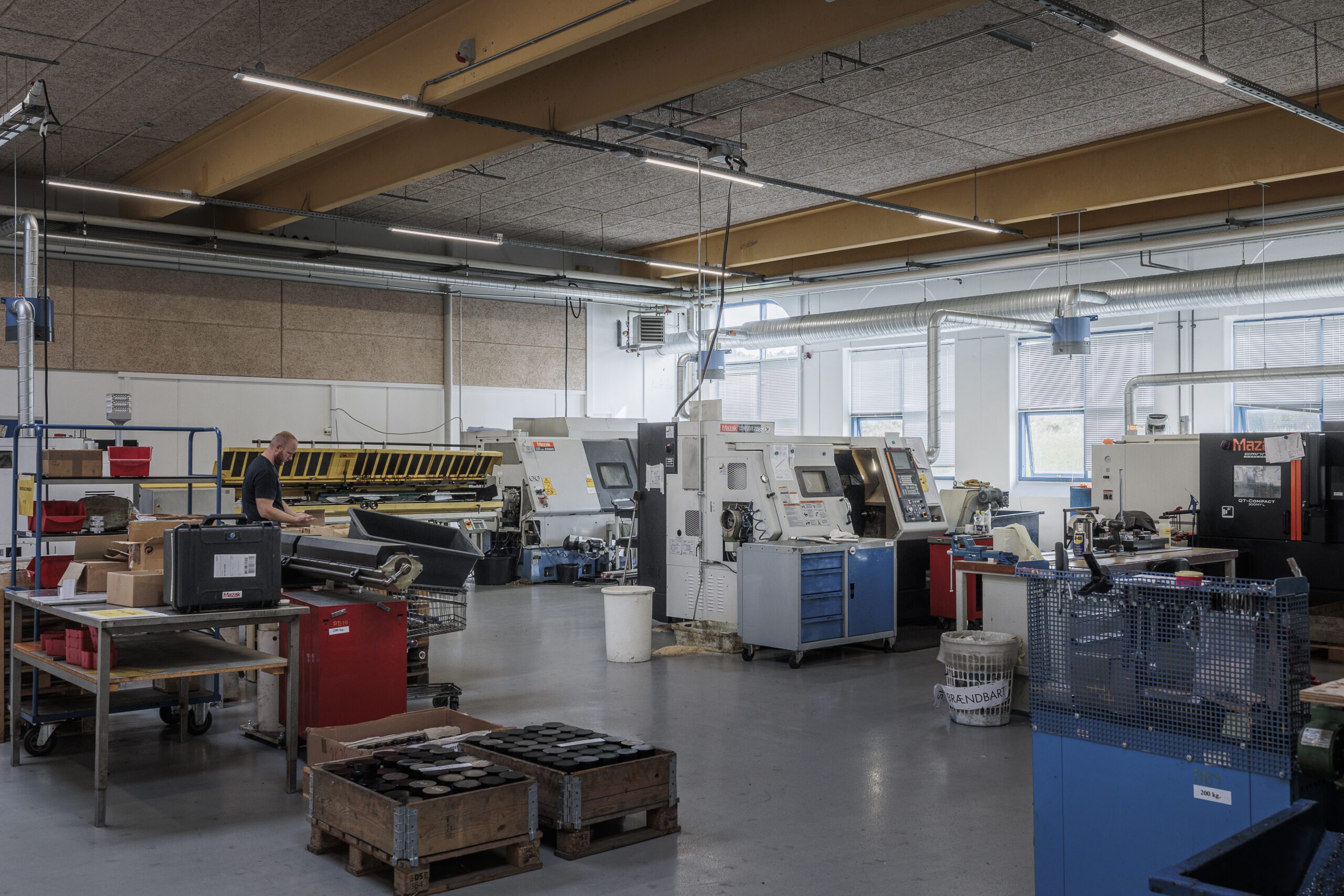
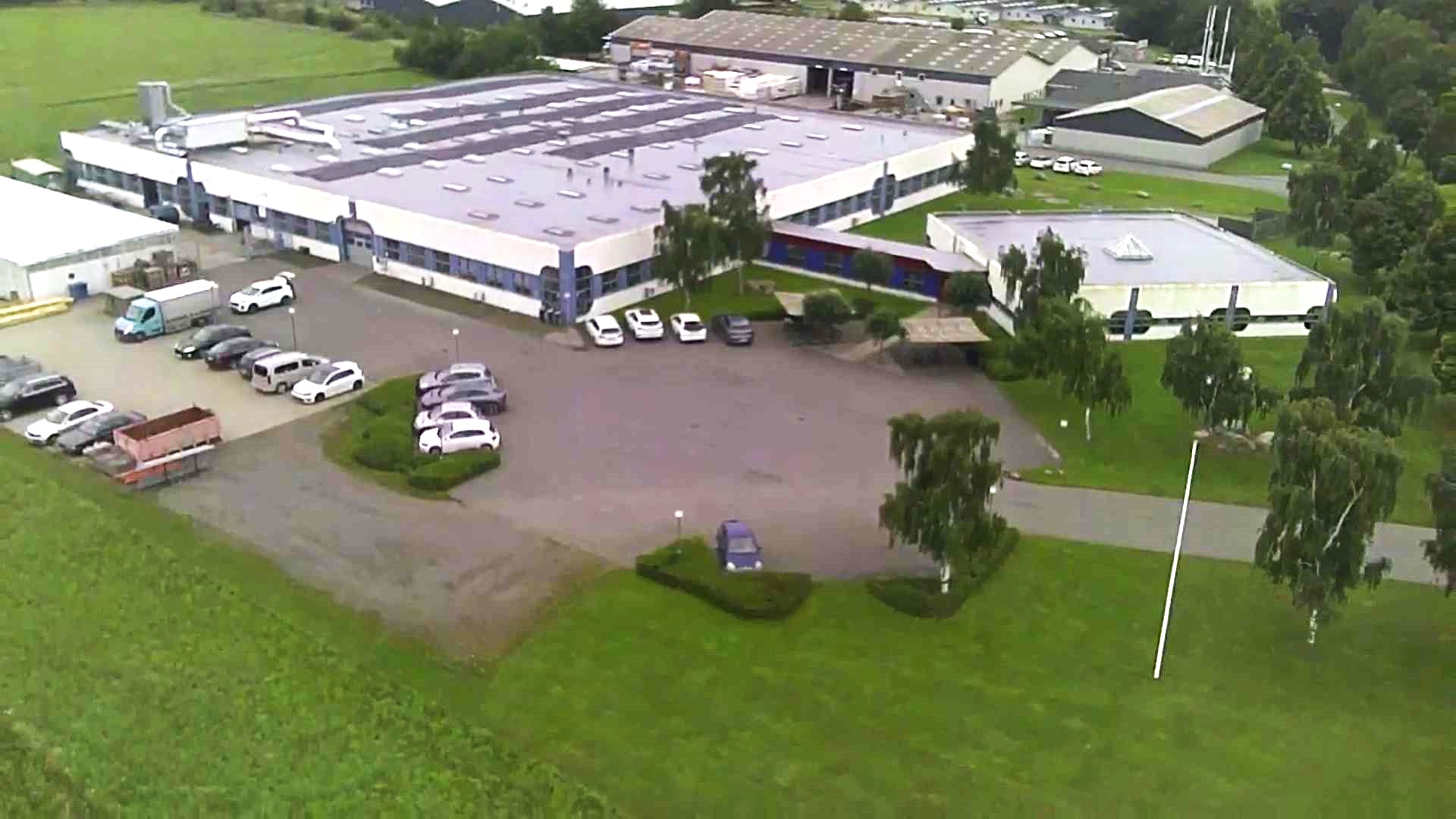
Over recent years, Borntek Industri A/S has made the green transition a central part of its corporate identity. The company is a subcontractor within metal and plastics machining – its customers are typically machine builders or companies specialising in sheet metal working. Read more at borntek.dk
In September 2022 merged Borntek Industri A/S two sites on Lillevangsvej and created a modern and more sustainable engineering works, which they call ’The Green Engineering Works’. The aim is to contribute as effectively as possible to Bornholm’s ’Bright Green Island’ strategy for a 100 % sustainable and carbon-neutral society by 2025. To this end, through the Business Centre Bornholm, they have, amongst other things, been involved in the project ‘Sustainable Bottom Line Bornholm’.
Factory manager Ole Schou Mortensen states: – As the company grows, we need to establish a firmer framework and more uniform procedures, and of course it is important for us to adapt in the green area, and we want to go the extra mile because it is both meaningful and exciting. We are creating procedures to meet the requirements of the ISO certifications, but also to ensure that we do things the same way every time.
Best practices
Owner and director Casper Poulsen adds: ”Broadly speaking, the exercise is about asking: ”How small an environmental footprint can we leave?’ We have a great team of people, all of whom want to make a difference in our little corner of the world.” Of course, this requires a great deal of dedication from the team, because it means adapting our procedures so that we meet certain standards – for example, everyone has to be 100 per cent in agreement on how we sort our waste.”.
How far will you go to reach your goals – and why?
– At some point, of course, it starts to creep up to a level where it’s going to cost a lot of money, but we’ve had our risk appetite measured, and it’s relatively high. We are willing to break even and even to pay a little for it, because not all initiatives have to be a good business venture – but there are actually many areas where the changes improve both the economy and the quality.
Regarding ESG requirements
ESG is a way of structuring sustainability work. ESG stands for Environmental, Social and Governance, and can cover things such as: environmental and climate-related aspects, e.g. carbon emissions, resource consumption, waste or biodiversity, but also information about a company's impact on the surrounding society and its ability to ensure sound corporate governance. From 2024, all listed companies with more than 500 employees, as well as credit institutions, mortgage credit institutions and insurance companies, must report on sustainability within ESG.
Source: Confederation of Danish Industry et al.
An ongoing process
The company started its green transition a couple of years ago, and a lot has happened since then, but even more needs to happen, says Ole Schou Mortensen: – It all started with a workshop process via Business Centre Bornholm on green accounts and the Climate Compass, which has given us an insight into our carbon footprint and how we can reduce it. Soon we will also have collected a full year of data, which will form a new baseline for our efforts.
Owner and Managing Director Casper Poulsen states that it quickly turned out there were several low-hanging fruits to tackle, and he advises others in a similar situation not to let themselves be overwhelmed: "The essential thing is to get an overview and understand what makes sense for your own business. Afterwards, you can then integrate the green principles step by step. For example, we have started with certifications such as ISO 14001, which has given us the opportunity to focus on the most significant environmental conditions in the company, and then we have worked a lot with ESG requirements in relation to, among other things, the working environment.".
What specific improvements have you made so far, and have you received funding for anything?
Ole Schou Mortensen – Among other things, we have received financial support from Danish Board of Business Development to investing in a sheet router that makes it possible to recycle plastic. In addition, we have had consultancy assistance to guide us in minimising our consumption, identifying potential business cases and drawing up a master plan that included switching to LED lighting and major investments in solar panels for the roof. It will be exciting to see what the long-term impact will be. We have also converted from gas-powered forklift trucks to electric ones and automated a part of our processes.
Casper Poulsen: – Right now we've reached a point where we are seeking specialised consultancy help to achieve our latest goal. We want to invest heavily in new technology so that we can move some of our activities to weekends, when we can run machines unmanned, because in terms of energy it can be an advantage regarding our consumption. We have almost become a bit nerdy about seeking out opportunities to minimise our footprint and innovating ways to do so. It is not a trend, but an ongoing process for us – at the same time, we are convinced that it is also necessary to survive and thrive in the future.
BY TINA TOFT MØLLER
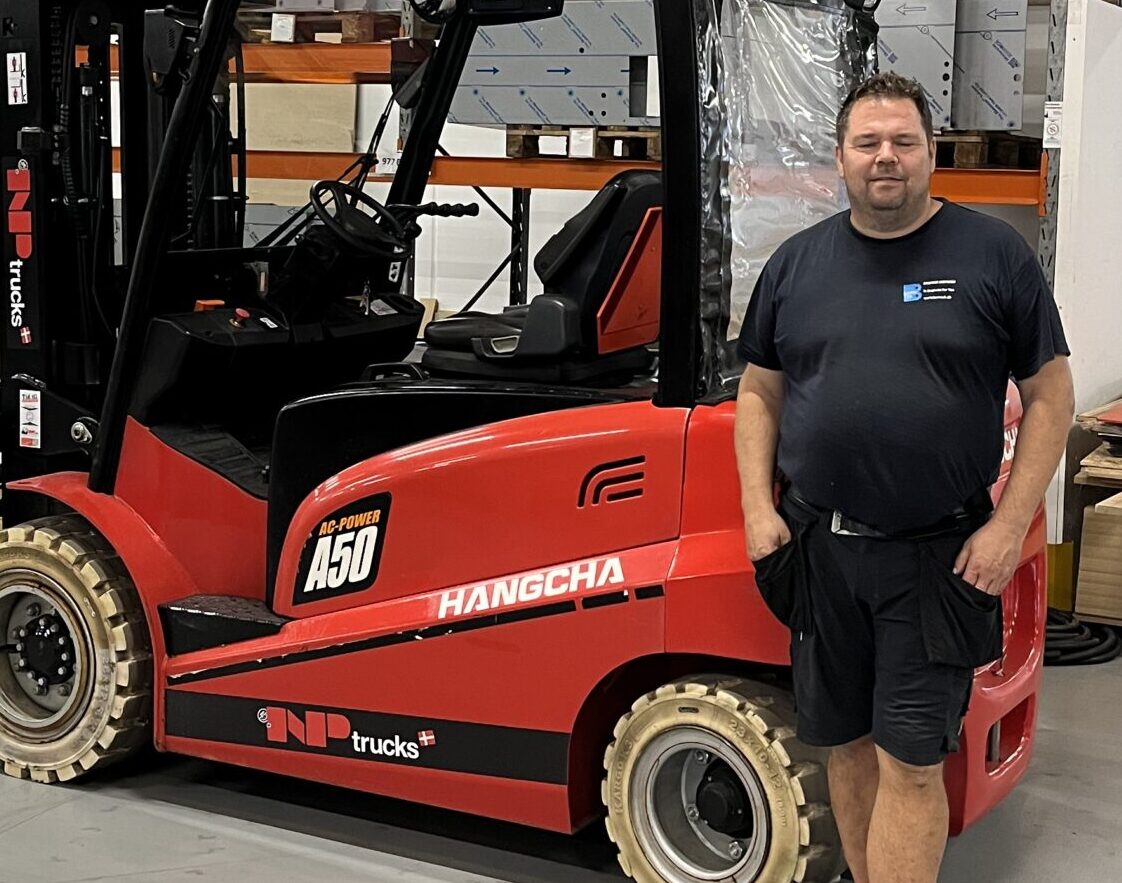
Casper Poulsen
Owner and Managing Director, Borntek Industri A/S
Photo: Borntek Industri A/S
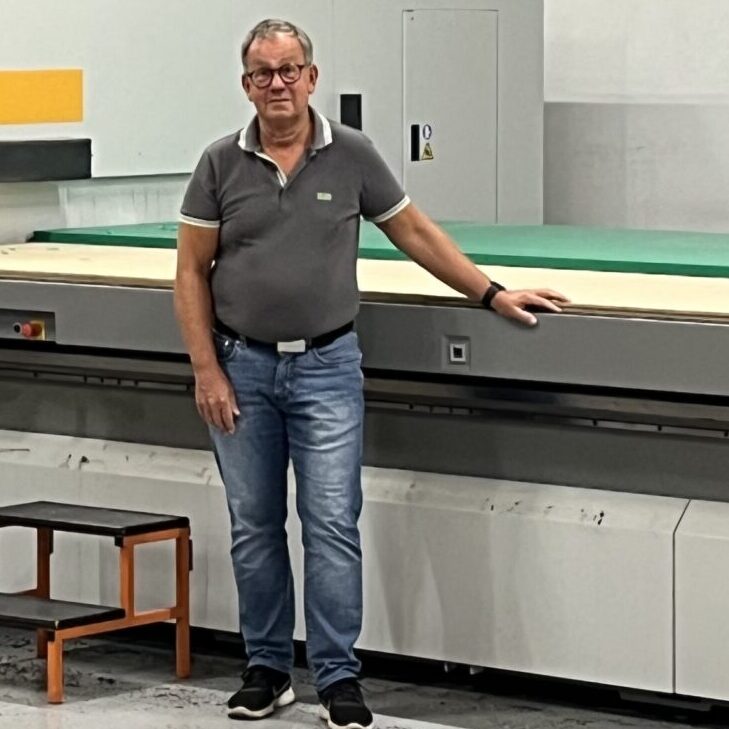
Ole Schou Mortensen
Factory Manager, Borntek Industri A/S
Photo: Borntek Industri A/S