

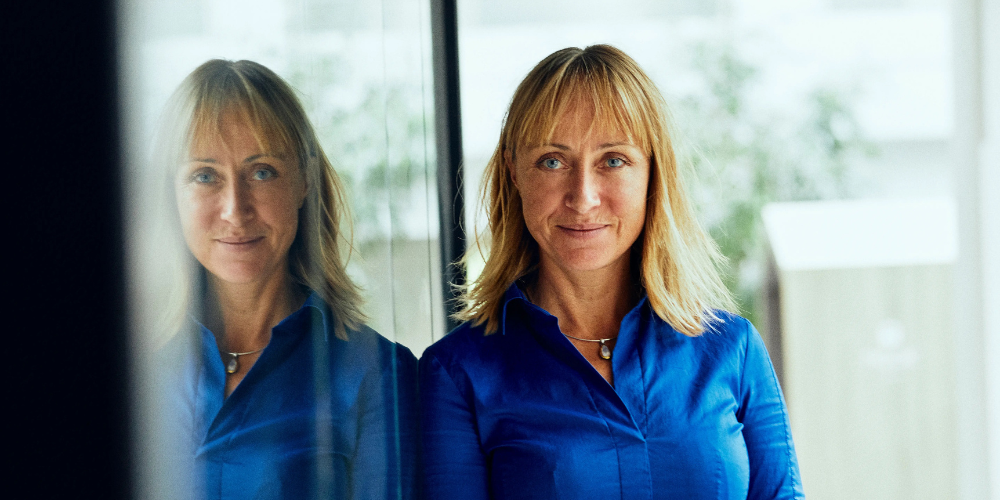
A new investment, a takeover, or the opportunity to enter a new market. Developing one’s business often means venturing into unknown territory. But how do you assess whether the potential is large enough, the risks to manage, and when is the right time? We asked Katrine Paaby Joensen, CEO of Erhvervshus Hovedstaden, about what drives business development and what can get in the way.
Most business owners are probably familiar with the feeling. You get an idea, see an opportunity in the market, or are presented with a collaboration that might lead the company in a new direction. But from there to actually doing something about it can be a long way off. What if it doesn’t work out? What if the customers miss out, or the investment becomes too expensive?
According to Katrine Paaby Joensen, it is not only the willingness to take risks that is crucial for whether one is able to develop one’s business. Through her current job as CEO at Erhvervshus Hovedstaden and previous jobs at, among others, The Trade Council and Innovationscenter Denmark in Silicon Valley, she has met companies in many different industries and development stages. And although the companies have been very diverse, there are some characteristics that are common among those who are in charge.
Regardless of industry, size, and scalability potential, I have seen clear commonalities among the people who lead the companies: curiosity, a drive to develop, the ability to act decisively, and the ability to put the right team together.
But it's not just about the courage to take a risk.
– Many people talk about being risk-taking – and of course that also requires a certain degree of risk-taking to embark on something new. But I believe it’s just as much about the passion for what you’re doing, a desire to get things started and a curiosity to find out what lies around the next corner.
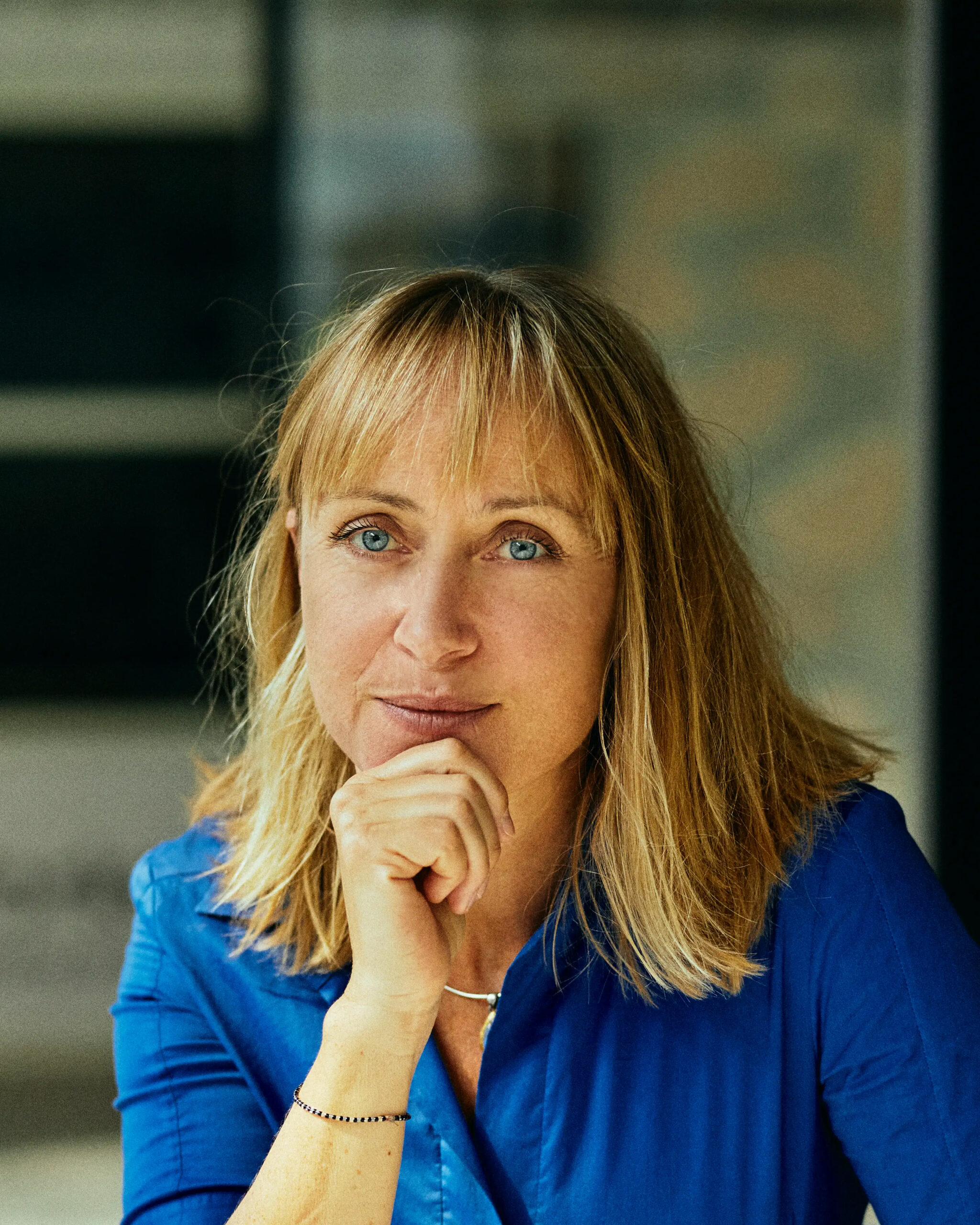
In my view, timing is an underestimated success parameter. It can have a big impact on when to invest, enter a new market, or launch something new. But it is also a difficult assessment because many factors play a role and there are many things that cannot be predicted.
The good idea requires the right timing
Although curiosity and drive can propel a business forward, that does not mean that one should seize every opportunity. For there is a big difference between having a good idea and having an idea that customers are actually willing to pay for.
– Timing is, in my view, an underestimated success parameter. It can have a big impact on when to invest, enter a new market or launch something new. But it is also a difficult assessment because many factors come into play and there are many things that cannot be predicted.
Therefore, Katrine believes that one should do their homework thoroughly. Does the need really exist? Are the customers ready for the solution? And are they willing to pay for what may be considered the world’s best idea? At the same time, one must know their competitors, the real costs, and the factors that could make the business vulnerable, such as rising shipping prices or problems in the supply chains.
– It can often pay off to try out the new idea on a smaller scale before taking the big leap.
It could be by testing a product with customers, researching a market, or laying out a pricing and sales channel strategy. Especially in new export markets, preparation is important. And you must be prepared to change tactics along the way or stop a campaign if it doesn’t yield results.
When operations take up all the time
For many small businesses, however, the challenge is not just in assessing the opportunities, but in finding the time and resources to put them into action.
“A key barrier is that running the business takes up all of your time. Customers have to be served, tasks have to be completed, and bills have to be paid. Development becomes something you only tackle when you have time—and you never have enough of that.”
At the same time, a lack of funding, specialized skills, or knowledge of administrative requirements can slow down development. Nevertheless, Katrine experiences that the companies that succeed are often those that manage to prioritize development amidst daily operations and translate their ideas into action. This requires planning, prioritizing, and working strategically with business development.
You don't have to be able to do everything yourself
When resources are limited, collaboration with other companies, research institutions, or external specialists can open up opportunities that would otherwise be difficult to realize.
“Very few people can do everything themselves, and there are great opportunities in collaborations where you can access knowledge, skills, technology, customers, or markets that would be difficult to build alone.”
But collaboration also requires resources, and therefore it is important to be aware of what one wants to achieve. Katrine also points out the value of external advice. As a business owner, you often have to make strategic decisions alone, and the experiences and perspectives of others can provide a better basis for choosing how the company should move forward.
When things don't go as planned
Even with thorough preparation, there is no guarantee that an investment will succeed. But according to Katrine, an investment that doesn’t go as expected is not necessarily worthless.
“An initiative that fails can yield important knowledge if you understand what went wrong and have the will to change course. This requires evaluating, for example by talking with customers, employees, and partners, and using that feedback to make better decisions.”
The crucial thing is to use the experiences to adjust the course and make better decisions in the future.
A good place to start
For the entrepreneur from Bornholm who has an idea but has not yet taken the plunge, Katrine has a clear recommendation: Seek advice from Business Center Bornholm or Erhvervshus Hovedstaden.
“Here experienced business developers can help to concretize your idea, clarify how to best move forward, advise on finances and funding options, and much more.”
The next step doesn’t have to be a big investment or an extensive strategic process. It can start with challenging your idea, researching the market, or having a conversation with someone who looks at the company from an unbiased outside perspective.
AF LINA HILDING